
Memory
The People We Remember More Than the Places
On why journeys that matter are often shaped less by where we went than by who we met along the way.
29 July 2026·6 min read
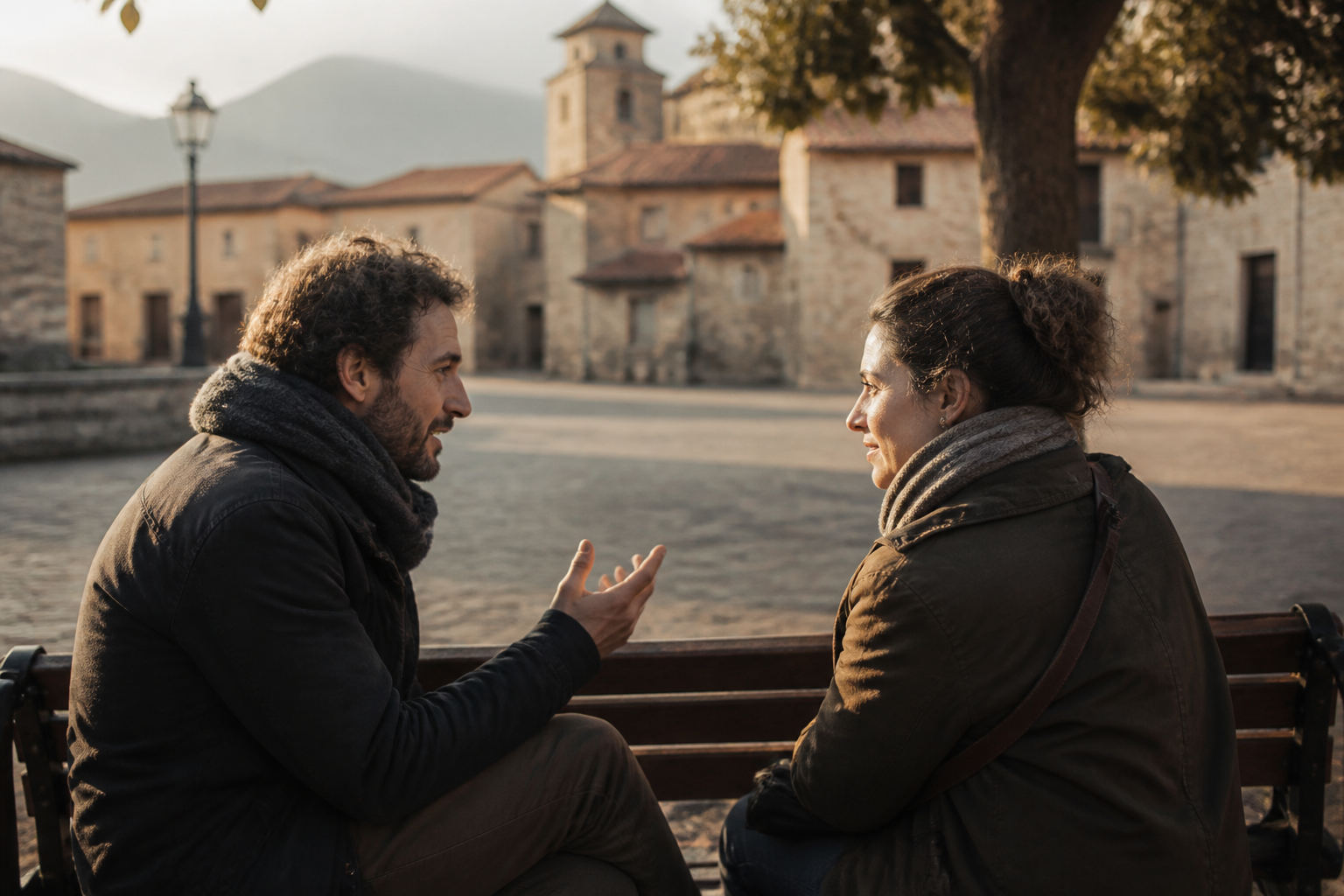
Some places stay with us because they are beautiful.
Others stay because of who we happened to meet there.
We often assume that travel is about places. We spend weeks comparing destinations, reading guidebooks, saving photographs of landscapes we hope to see one day. We remember the names of mountains, islands and cities long before we arrive.
Yet when people tell stories about journeys that mattered, they often spend surprisingly little time describing the places themselves.
Instead, they remember a guide who made them feel safe. The café owner who insisted they stay for another cup of tea. The family who invited them to join a celebration they had never expected to witness. The stranger on a long train journey who somehow turned into an unforgettable conversation.
The geography becomes the setting. The people become the story.
Places are shared. Journeys are not.
Perhaps this shouldn’t surprise us.
Places are, by their nature, shared. Thousands of people stand before the same waterfall every year. Millions walk through the same streets. They admire the same views, take photographs from almost identical angles and leave with similar postcards.
What makes the experience ours is rarely the landscape itself. It is what happened while we were there.
Two people can visit exactly the same destination and return with entirely different memories. One remembers the architecture. The other remembers being helped after missing the last bus. One talks about the famous viewpoint. The other cannot stop thinking about a conversation with someone they met by chance on a park bench.
The place was identical.
The journey was not.
Invisible generosity
It is easy to overlook how much of travel depends on other people.
Someone prepares the meal we enjoy. Someone explains the history behind a building. Someone drives the road safely while we admire the scenery. Someone keeps a hotel running long before guests wake up. Someone welcomes us into a home, a community or simply into a conversation.
Even solitude often depends on unseen acts of hospitality.
The quiet beach is protected by people who care for it. The mountain trail exists because others maintain it. The peaceful guesthouse has hosts who have quietly thought about the details that allow visitors to feel at ease.
Good travel often rests on invisible generosity.
The moments that never appear in brochures
That generosity does not always arrive through grand gestures.
Sometimes it is simply being treated as a person rather than a customer.
A shopkeeper remembers your name when you return the next morning. A waiter notices you are travelling alone and chats for a few minutes without rushing. A guide senses that the group needs a slower pace rather than another viewpoint.
None of these moments appear in brochures.
Yet years later they may be the first things we remember.
Beauty attracts. People give meaning.
Perhaps that is because people have a remarkable ability to change how we experience a place.
A rainy afternoon can become one of the highlights of a journey because of who shared it with us. A destination that looked ordinary on arrival becomes unforgettable because someone helped us see it differently. Even places that were objectively beautiful can fade surprisingly quickly if we never formed a human connection while we were there.
Beauty attracts our attention.
People give it meaning.
What we miss when we return
This is one reason why returning to a familiar place can feel so different.
Sometimes we expect to rediscover the destination we loved years earlier, only to realise that what we were really hoping to find was the feeling created by the people who were part of that time in our lives.
The street is still there.
The café still serves coffee.
The mountains have barely changed.
But the owner has retired. The guide has moved away. Friends have taken different paths. We discover that we were not missing the place as much as the relationships woven into it.
The opposite is true as well.
Many people have destinations they never thought much about until someone they cared about began living there. Suddenly an ordinary town becomes deeply personal. Not because the buildings changed, but because the emotional map did.
Places don’t welcome us. People do.
Perhaps we have always underestimated the role people play in shaping place.
We often describe destinations as welcoming or cold, lively or relaxed, authentic or commercial. Yet places themselves possess none of these qualities.
People do.
A city feels welcoming because people welcome us. A village feels alive because people continue traditions that give it character. A mountain refuge feels peaceful because someone quietly creates that atmosphere every single day.
The place is never entirely separate from those who inhabit it.
Brief encounters that stay
This may also explain why some of the strongest travel memories involve people whose names we no longer remember.
There is something quietly beautiful about that.
Not every meaningful encounter needs to become a lifelong friendship. Most never will. Travel is full of brief crossings of paths that begin and end within hours.
Yet even short encounters can leave lasting traces.
A conversation that shifts how we think.
A smile that arrives when we need reassurance.
A small kindness that quietly restores our faith in strangers.
These moments rarely ask for anything in return. They simply remind us that the world is often more generous than the headlines suggest.
Looking back, many of us realise that the journeys we cherish most are not defined by how much we saw.
They are defined by how we felt while we were there.
And more often than not, those feelings came from other people.
The places gave those encounters somewhere to happen.
But it was the people who made them worth remembering.